

“I’m 56-years-old, why would I take out a loan with little income when the economy might take a long time to come back?”
Shaun Francis is one of many small business owners with concerns about the government’s coronavirus loan scheme.
He told the BBC that taking a loan out in his situation would be too risky.
His firm has seen its income dry up so he has furloughed, or put on paid leave, four of his six staff including his wife who is a director.
“We’ve kept two people on, which is the right thing to do, in case there’s an emergency," said Mr Francis, who runs an electrician’s business in Southampton, which caters to care homes.
"But that means we have two salaries to pay at a time when we have no money coming in."
Overhaul
He says his wife as a director "gets very little from the government, about £700 a month, so there is much less money than usual coming into the household.”
With the future of his business uncertain, he says he would rather fall back on the firm’s cash reserves than risk borrowing more money. But he’s only got enough to last three months.
"The chancellor expects us to borrow money to keep our business afloat when there is no income coming in to make the repayments."
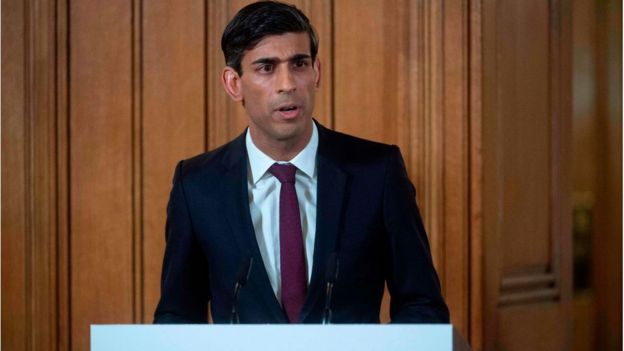
On Thursday, Chancellor Rishi Sunak overhauled the Coronavirus Business Interruption Loan Scheme (CBILS) amid claims banks were taking advantage of the crisis.

Changes to the Coronavirus Business Interruption Loan Scheme (CBILS):
- Applications will not be limited to businesses that have been refused a loan on commercial terms, extending the number who benefit. However, the Treasury has not capped the interest rates banks can charge.
- Banks will be banned from asking company owners to guarantee loans with their own savings or property when borrowing up to £250,000
- Larger firms with a turnover of up to £500m will also be eligible for more help - with state-backed loans of up to £25m available to firms with revenues of between £45m-500m.
The government has pledged to guarantee £330bn of loans but only £145m has been lent so far.
Small firms say they have struggled with onerous eligibility criteria for the government-backed loans, which are being issued by High Street banks and other lenders.
They have also complained of facing interest rates of up to 30% and, before the rules changed, being asked to make unreasonable personal guarantees.
It’s a familiar story for Gary Smith from Gloucester, who runs an IT services company with 30 employees.
0 Comments